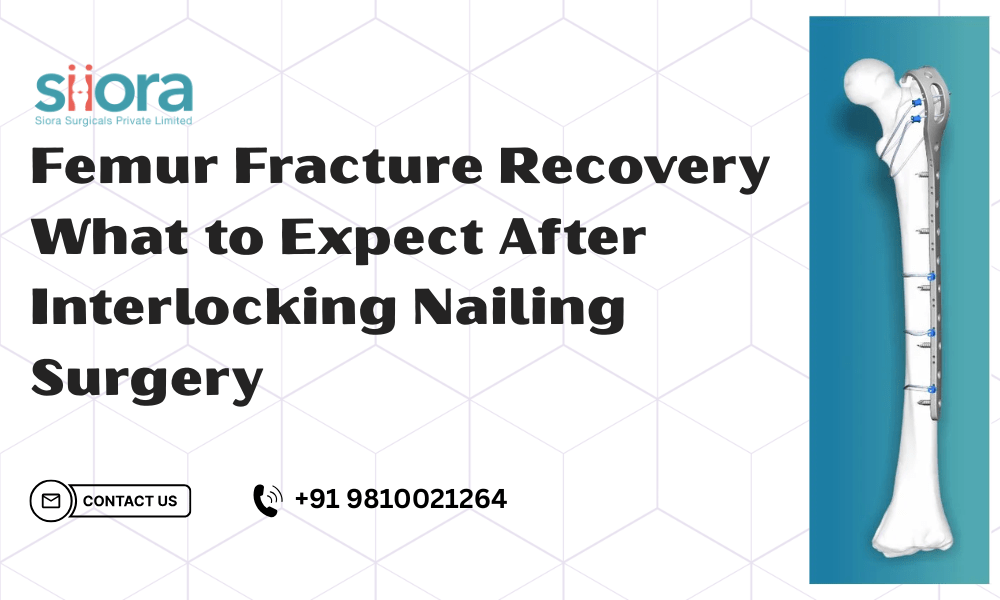
Breaking your femur, the longest and strongest bone in your body, can be a scary and painful experience. When a femur fracture occurs, one of the most common and effective treatments is surgery with a femur interlocking nail. If you or a loved one is heading into this procedure, understanding what recovery looks like can help ease anxiety and prepare you for the road ahead.
What is Interlocking Nailing Surgery?
Before diving into recovery, let’s quickly unpack what interlocking nailing surgery involves. This procedure is used to fix fractures in the femur by inserting a metal rod (called an intramedullary nail) right into the center of the bone. The nail is then locked in place with screws on either end, stabilizing the bone and allowing it to heal properly. This method is preferred because it supports early mobility, helps maintain the bone’s natural alignment, and usually results in faster recovery compared to traditional methods.
Rehabilitation After Femur Interlocking Nail Surgery
The First Few Days After Surgery
Immediately following the surgery, you’ll likely experience some pain and swelling; this is completely normal. Your medical team will manage your discomfort with medication, and they’ll monitor you closely for any signs of complications like infection. You may have a drain or dressing at the surgical site to help with swelling and to keep the area clean.
One of the important aspects of early recovery is starting gentle movement. The good news is, interlocking nailing typically allows patients to begin partial weight-bearing sooner than other treatments. Depending on your surgeon’s advice and the severity of your fracture, you may be encouraged to try standing or walking with crutches or a walker within a few days after surgery.
Weeks 1 to 6: Gradual Progress
In the weeks following surgery, your focus will be on protecting the healing bone while gradually regaining mobility and strength. You’ll likely be instructed to avoid putting full weight on your leg for several weeks. Physical therapy usually starts during this phase to help maintain joint flexibility and muscle tone.
Your physical therapist will guide you through exercises designed to improve knee and hip movement, prevent stiffness, and strengthen the muscles around the femur. These exercises are essential to support the healing bone and restore function.
During this period, it’s common to feel a mix of emotions from frustration at your limited mobility to optimism as you notice small improvements. It is important to be patient and adhere to your rehabilitation plan for improved results. Regular follow-ups with your doctor will help monitor bone healing through X-rays and adjust your recovery plan if needed.
Months 2 to 4: Increasing Activity
As the bone continues to heal, your surgeon will likely clear you for increased weight-bearing activities. This doesn’t mean you’re fully recovered yet, but it’s a positive sign that your bone is getting stronger.
Physical therapy will ramp up to include more weight-bearing exercises, balance training, and muscle strengthening. You might start walking without assistive devices and gradually return to daily activities. However, it’s important to avoid high-impact activities or anything that could put your healing bone at risk.
During this stage, many patients notice a decrease in pain and swelling. However, some residual discomfort or stiffness, especially after long periods of activity, is normal. Your body is still adapting, and full healing takes time.
Long-Term Recovery: 6 Months and Beyond
Complete recovery from a femur fracture fixed with interlocking nailing can take six months or more. By this point, most patients can return to normal walking and many recreational activities, although high-impact sports might require more time or special precautions.
Occasionally, some patients might experience hardware irritation or discomfort around the surgical site. In rare cases, a second surgery may be needed to remove the metal rod after the bone has fully healed, but this is not common.
Your continued commitment to strengthening exercises and healthy habits like good nutrition and avoiding smoking plays a big role in how well your femur heals. Keeping follow-up appointments with your orthopedic surgeon is important to ensure everything is progressing as it should.
Tips for a Smooth Recovery
- Listen to your body: It’s normal to have good days and bad days. Don’t push through pain that feels sharp or unusual.
- Stay consistent with physical therapy: The exercises you do in rehab are the foundation of your recovery.
- Follow weight-bearing instructions carefully: Putting too much weight too soon can cause setbacks.
- Maintain a balanced diet: Foods rich in calcium, vitamin D, and protein help bone healing.
- Avoid smoking and excessive alcohol: Both can slow down your recovery.
- Keep your follow-up appointments: X-rays and check-ins are crucial to monitor healing.
Final Thoughts
Recovering from a femur fracture after interlocking nailing surgery is a journey that requires time, patience, and care. While it can feel overwhelming at times, knowing what to expect helps you take control of your healing process. With the right support, medical care, and commitment to rehabilitation, most people regain strength and function, returning to their daily lives and activities.
Register your visit to the FIME Exhibition 2025, a leading healthcare conference in Miami, to explore cutting-edge orthopedic implants and other advanced medical devices.
 Trauma Implants